Kidney Care for the Multi-Disciplinary Team
This toolkit, a curated set of resources, aims to support the multi-disciplinary team in delivering informed, coordinated, and patient centered care. The toolkit provides educational materials and practical resources to enhance knowledge sharing, clinical decision-making, and collaborative practice to deliver the best outcomes for individuals living with kidney disease.
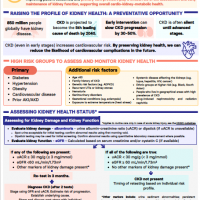

2022 Early Identification and Intervention Quick Guide
This quick guide aims to further clarify the ISN-KDIGO CKD Early Identification and Intervention booklet to allow easy, widespread adoption and prompt action around early identification and intervention of CKD in the primary care setting.
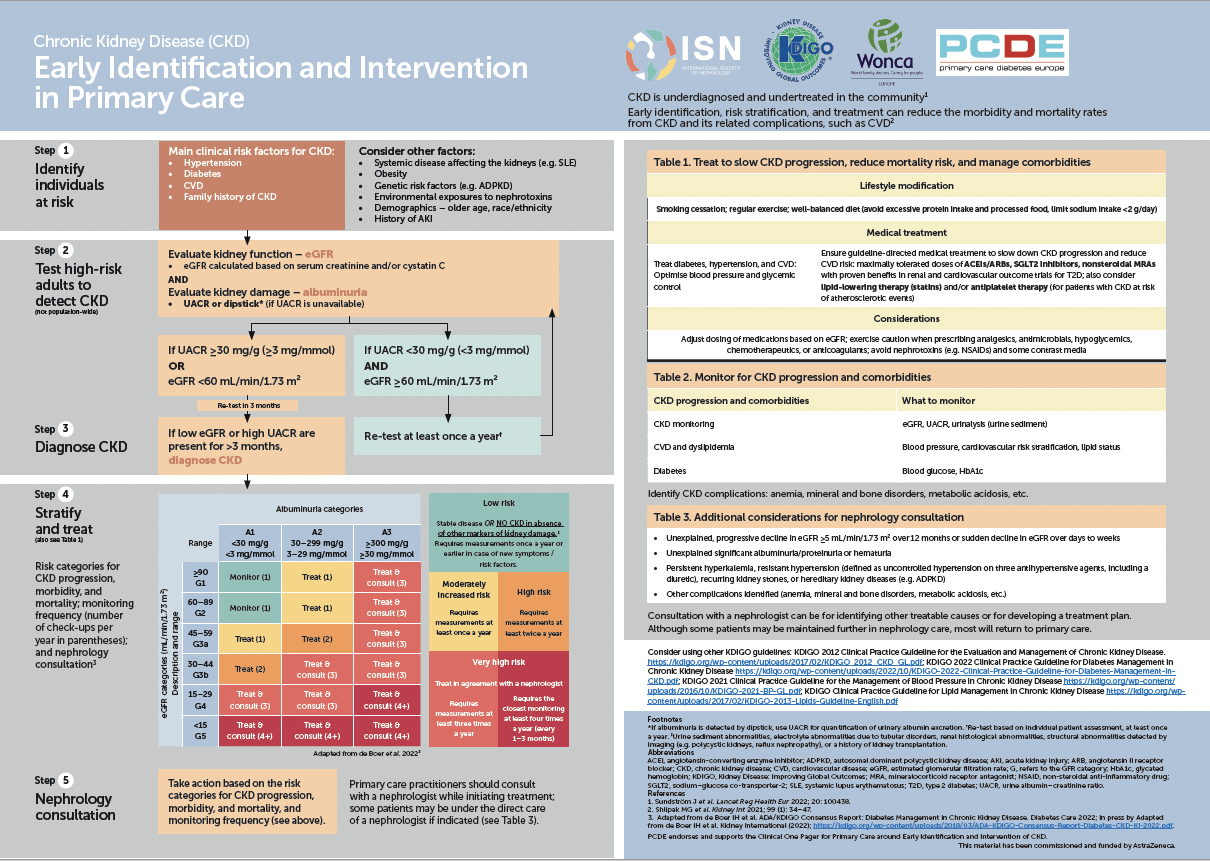
Download the guide
- From our colleagues in Malaysia, we have heard that for “Step 2”, the uACR measurement is needed to progress to “Step 3”. If uACR is not easily available or affordable in your setting, you can use a uACR converter, which can give you the equivalent uACR for a U dipstick or uPCR reading.
If anyone finds an inadvertent language or content error, kindly be in touch with us at [email protected]. These documents were last updated as of December 2022.
Toolkits
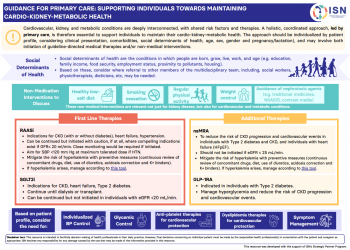
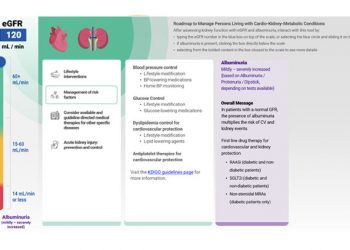
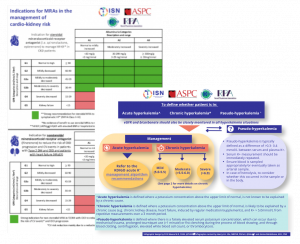
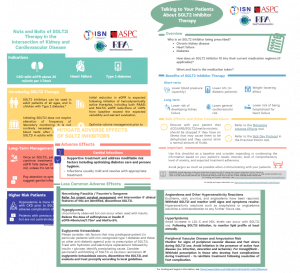
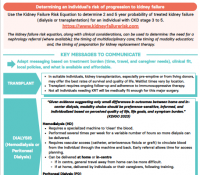
These toolkits consist of focused and practical infographics, serving as hands-on references for nephrologists, cardiologists and other healthcare professionals involved in the multidisciplinary care of patients with cardio-kidney-metabolic complications.
The ISN’s Rare Kidney Diseases Toolkit aims to raise the profile of rare kidney diseases (RKDs), offers disease-specific tools, and highlights the burden, gaps and unmet needs to fill.
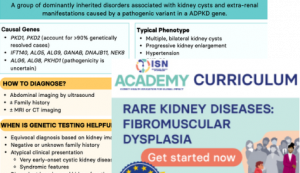
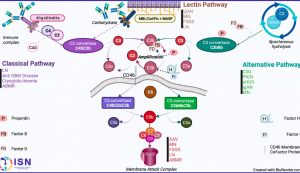
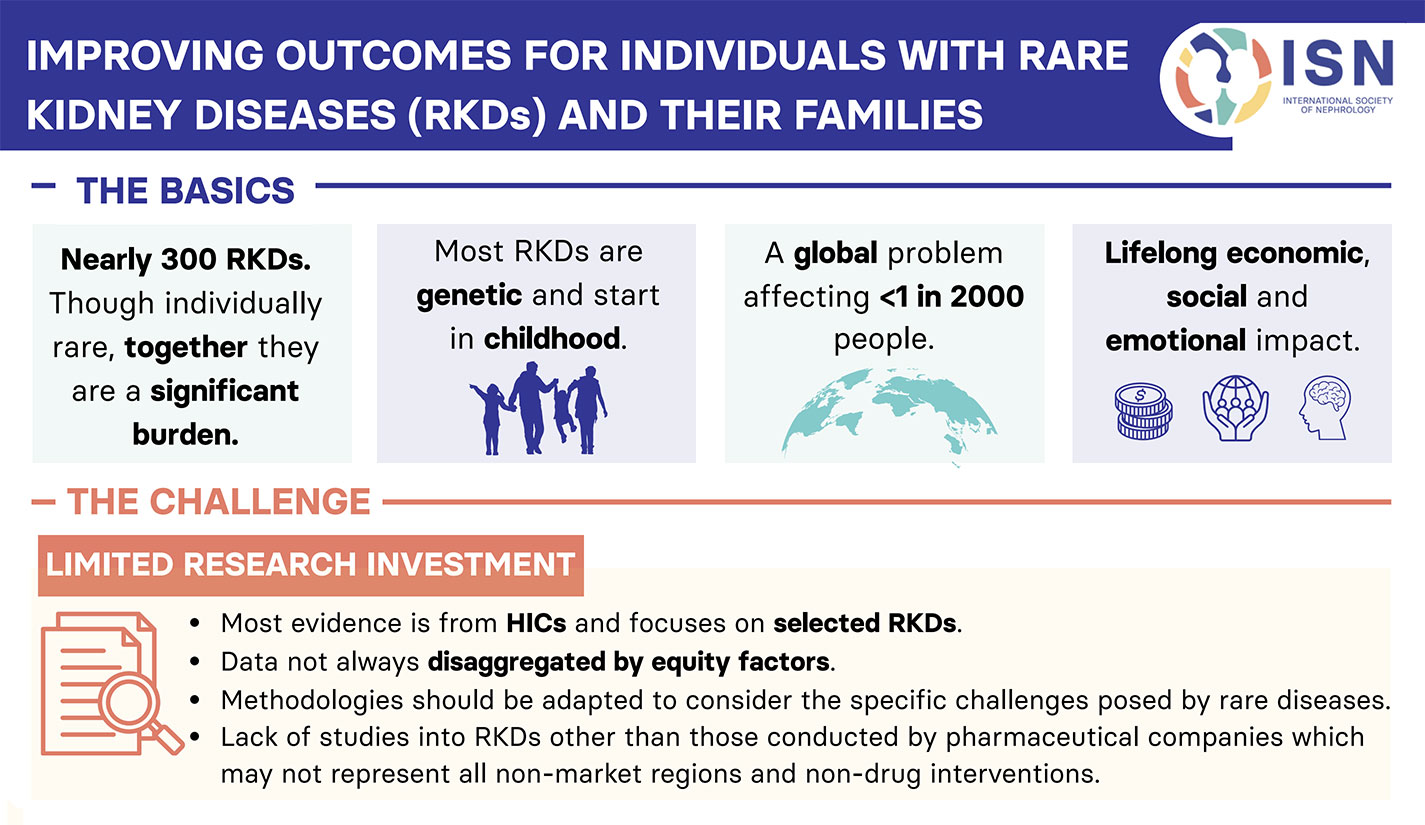
Access the full rare kidney disease toolkit here.
Webinars and Podcasts



ISN’s Are Your Kidneys Healthy Quiz
A 1-minute quiz to check your risk for kidney disease.