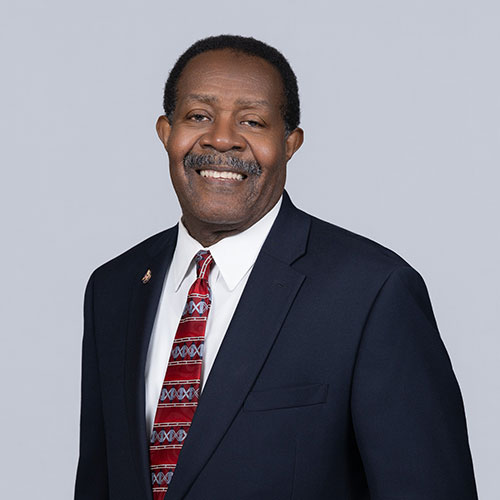
Richard Knight
USA
Living with kidney disease redefines how you view time and certainty. For me, while under the care of a primary care doctor, my hypertension went unmanaged, and I eventually ended up needing dialysis. I had no time to prepare for this or learn about my options. That suspended state of waiting became the defining experience: trying to plan a life while also bracing for a medical emergency.
My diagnostic journey was not a single moment but a slow unraveling. Elevated creatinine levels flagged early, but the significance was understated in initial consultations. It took years of monitoring, specialist referrals, and my own advocacy before the urgency was fully acknowledged. The system moved slowly; the disease did not. I was not aware of the disproportionate impact chronic kidney disease has on African Americans.
The everyday barriers are quieter but relentless. Transplant medications demand rigid adherence; missing a dose carries serious consequences. This limits spontaneity in travel, diet, and social life. Fatigue and the constant vigilance around infection reshape professional and personal rhythms. Beyond the physical, there is an invisible emotional tax: the hyperawareness that your health is borrowed time, managed but never fully resolved. Navigating a healthcare system built around acute care, not chronic management, remains one of the most persistent challenges.