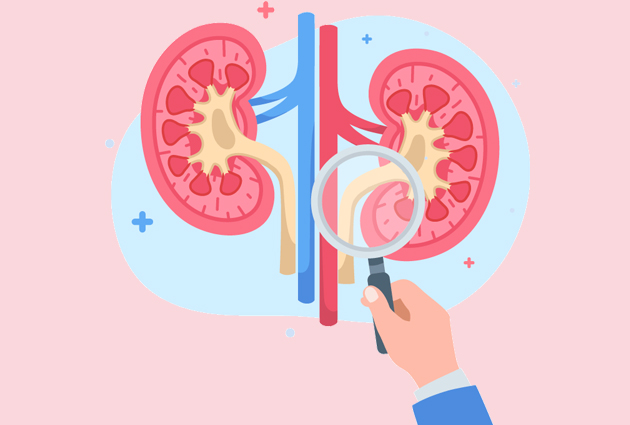

KICR article in focus: rare late fungal infection after kidney transplantation
A new case report in Kidney International Case Reports™ (KICR) describes an exceptionally rare delayed dual invasive fungal infection involving mucormycosis and aspergillosis in the native kidney of a kidney transplant recipient more than 10 years after transplantation.
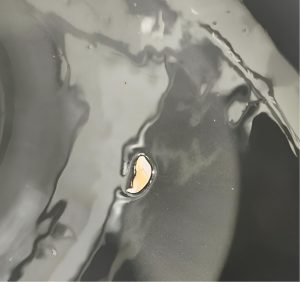
Macroscopic appearance of small whitish tissue (fungal ball) passed in urine
The patient presented with fever, right loin pain, and hematuria, while maintaining preserved allograft function. Imaging revealed hemorrhage and extensive native kidney damage, leading to nephrectomy. Histology confirmed mucormycosis, and subsequent fungal culture identified Aspergillus flavus, supporting a diagnosis of dual fungal infection.
Although invasive fungal infections after kidney transplantation are uncommon, they carry high mortality and can occur many years after transplantation. The authors emphasize the importance of considering invasive fungal infection in transplant recipients with atypical symptoms, even when graft function is preserved. In this case, early diagnosis, surgical intervention, and antifungal therapy contributed to a favorable outcome.
Explore the first issue of KICR
Do you have a clinically relevant case that could help inform practice? Submit it to KICR. All authors receive a 100% article processing charge waiver until December 31, 2026.
Further reading:
Five compelling reasons to submit to Kidney International Case Reports™