Capturing CKD complexity through cohort studies: iNET-CKD paper published in KIR
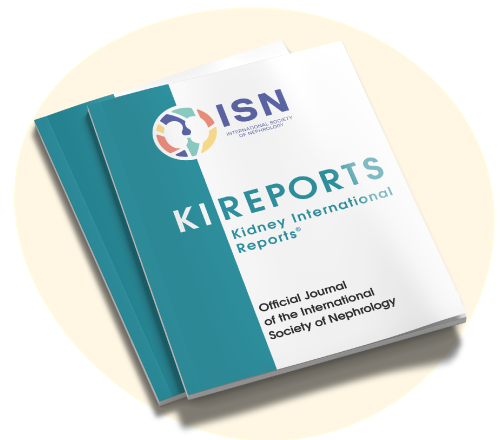
Published in Kidney International Reports®, a new perspective paper from the ISN International Network of Chronic Kidney Disease cohort studies (iNET-CKD), offers a best-practice guide for researchers developing or improving chronic kidney disease (CKD) cohorts.
The paper outlines key considerations for developing and improving CKD cohorts, including:
- Defining research questions and selecting participants
- Choosing outcomes and collecting essential data, including GFR and proteinuria measures
- Incorporating patient-reported outcomes
- Storing biosamples for future research
- Managing governance and securing long-term funding
- Linking data and enabling collaboration across cohorts
Listen to a podcast on the design and conduct of cohort studies of people with CKD
The paper also highlights why prospective cohort studies are essential to understanding CKD. While randomized controlled trials remain vital to evidence-based care, they often answer focused questions in selected populations over limited timeframes. CKD, by contrast, is a long-term and highly variable condition shaped by patient, regional, social, and health-system factors. Prospective cohort studies help capture this complexity by tracking real-world CKD progression, outcomes, patient experience, and disparities over time.
In addition, the paper reflects the broader purpose of iNET-CKD: bringing together CKD cohort leaders from around the world to share expertise and encourage more harmonized approaches to kidney research. It calls on the kidney care community to work toward shared standards for core data elements, outcome definitions, governance, interoperability, equity, and data sharing.
Interested in joining iNET-CKD? Learn more about eligibility and how to apply