From misdiagnosis to chance diagnosis: Two journeys with kidney disease

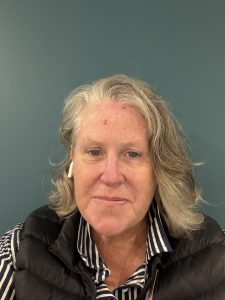
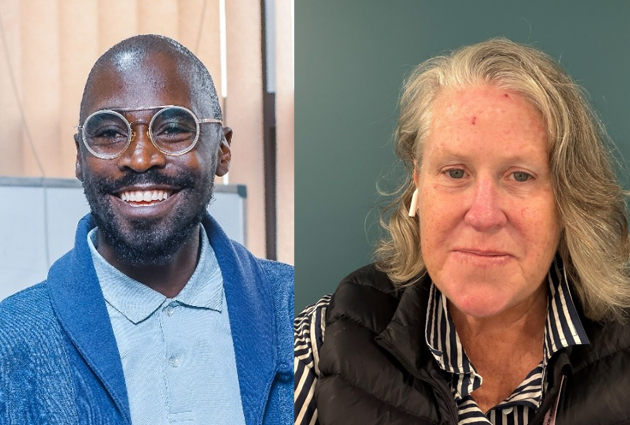
For Joab Wako from Kenya and Nicole Scholes-Robertson from Australia, kidney disease was discovered in very different circumstances, but both diagnoses changed their lives. The two ISN Patient Liaison Advisory Group members share their experiences of diagnosis, treatment and the challenges of living with kidney disease.
Joab Wako: Misdiagnosis and financial hardship
Joab was just 24 when he first sought medical help. Because of his age, doctors initially suspected ulcers or another gastrointestinal illness. When he returned to the hospital feeling increasingly weak, further investigations revealed high blood pressure and stage 5 chronic kidney disease. He immediately began dialysis.
A kidney transplant offered a longer-term treatment option, but the costs placed enormous pressure on Joab and his family. With insurance covering only part of his medical bills, he exhausted his savings, and his family had to fundraise to cover treatment costs. He still pays medical expenses out of pocket.
Beyond the financial burden, Joab highlights the challenges of living with kidney disease, including fatigue, mental health struggles, and misconceptions that can affect employment opportunities.
“Kidney disease is an invisible illness,” he explains. “This invisibility creates isolation, as family, friends, and colleagues struggle to understand the quiet, daily battles we fight just to live what appear to be ‘normal’ lives.”
Nicole Scholes-Robertson: Finding opportunities amid the challenges
Nicole discovered she had kidney disease by chance at age 42, when a hospital visit for strep throat revealed severely reduced kidney function. Diagnosed with IgA nephritis, she eventually needed dialysis before receiving a kidney transplant from her younger brother in 2014. “My new kidney, nicknamed ‘hand-me-down,’ is going very well,” she says, adding, “I am truly amazed at all the incredible things that I can do with a transplant!”
Living with kidney disease continues to present challenges, however: “Fatigue has been a constant issue throughout my chronic kidney disease journey,” Nicole explains. “This has probably been the greatest challenge, as I am not good at resting or pacing myself.“
Nevertheless, her experience has opened unexpected doors, including a new career in research and patient involvement and opportunities to meet people who have inspired her: “For me personally, the most significant aspect of living with kidney disease is the amazing people, both patients and health professionals, that I get to meet.“
Experiences like Joab’s and Nicole’s highlight the importance of listening to patients and ensuring their experiences help shape kidney care. Look out for two patient-centered plenary talks at WCN’27:
“Narrative Power for Patients and Clinicians: Partners in Health and Care,” by Rita Charon
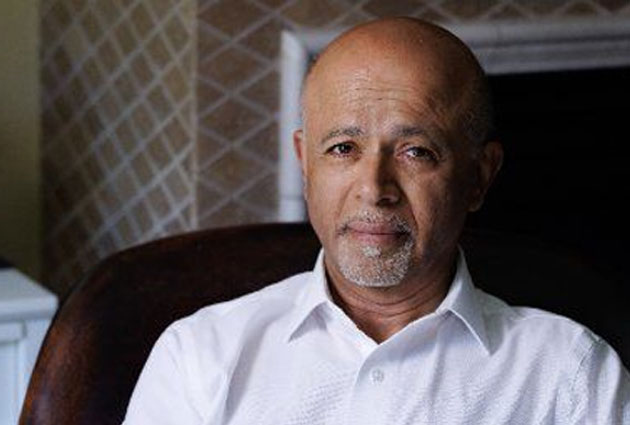
“The Care in Caring: Humanistic Medicine in a Technological Age,” By Abraham Verghese