ISN Journal summaries on zigakibart, proteinuria, and pediatric CKD in rural Africa
Kidney International®
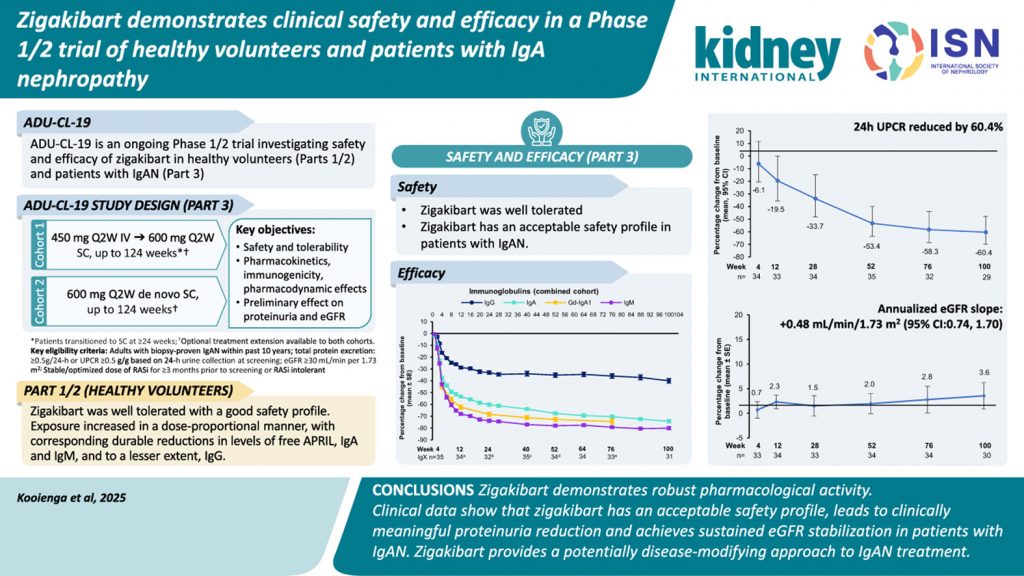
Zigakibart, a humanized monoclonal antibody targeting A Proliferation-Inducing Ligand (APRIL), was tested in healthy volunteers and patients with IgA nephropathy (IgAN) in a Phase 1/2 trial with 100-week follow-up.
The treatment was well tolerated and led to a 60% reduction in proteinuria, stabilization of kidney function, and durable decreases in IgA and related biomarkers.
These results suggest that zigakibart could offer a disease-modifying therapy for IgAN, which is now under further evaluation in the Phase 3 BEYOND study.
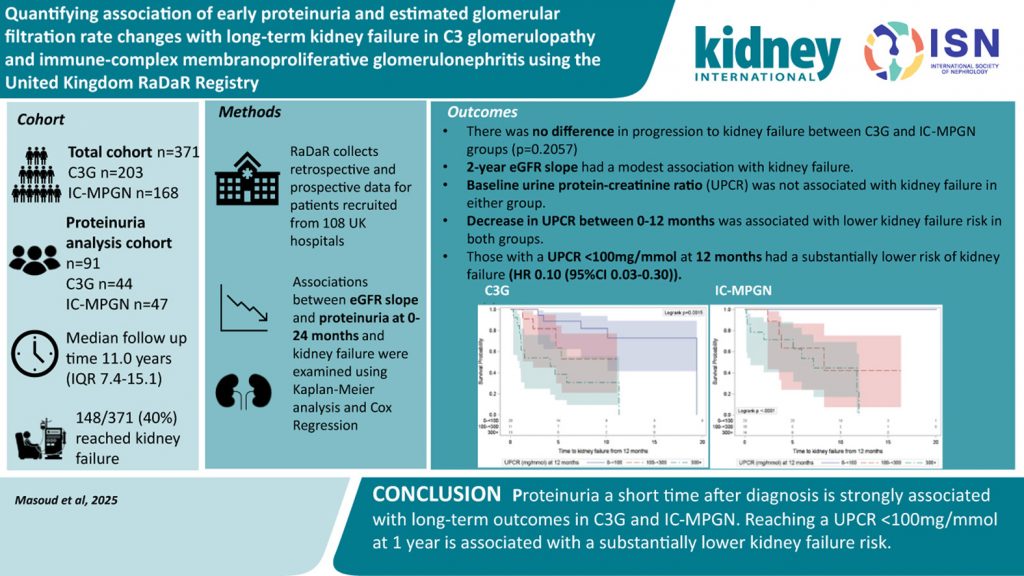
C3 glomerulopathy and immune-complex membranoproliferative glomerulonephritis often lead to kidney failure, but reliable early predictors of outcomes are lacking.
Using the UK RaDaR Registry, researchers examined links between early proteinuria and long-term kidney survival. They found that early reductions in proteinuria, especially reaching a urine protein-creatinine ratio below 100 mg/mmol at one year, were strongly associated with a lower risk of kidney failure.
These findings highlight proteinuria as a key prognostic marker in these rare kidney diseases.
Kidney International Reports®
Risks, diagnostic thresholds, and outcomes of pediatric CKD in rural Africa
Researchers found a high prevalence of reduced kidney function in children in rural sub-Saharan Africa, with over-the-counter medication use and hypertension emerging as key risk factors.
Age-calibrated chronic kidney disease (CKD) criteria identified more children at risk and were associated with higher odds of death or need for chronic dialysis, highlighting the importance of early detection in this vulnerable population.