
September 2025 Edition

Impact Factor 2024
Cardio-kidney-metabolism
This month’s selections from Kidney International® focus on the complex interplay between obesity, metabolic dysfunction, and kidney disease, from novel therapies in cardio-kidney-metabolism syndrome to new classifications for obesity-related chronic kidney disease.
Complementing this, Kidney International Reports® spotlights clinical and mechanistic insights into metabolic acidosis, mitochondrial signaling, and biomarkers, alongside studies with implications for transplantation, diabetic complications, and polycystic kidney disease.

 |
KIDNEY INTERNATIONAL ARTICLES |
Restoration of branched chain amino acid catabolism improves kidney function in preclinical cardiovascular-kidney-metabolic syndrome models
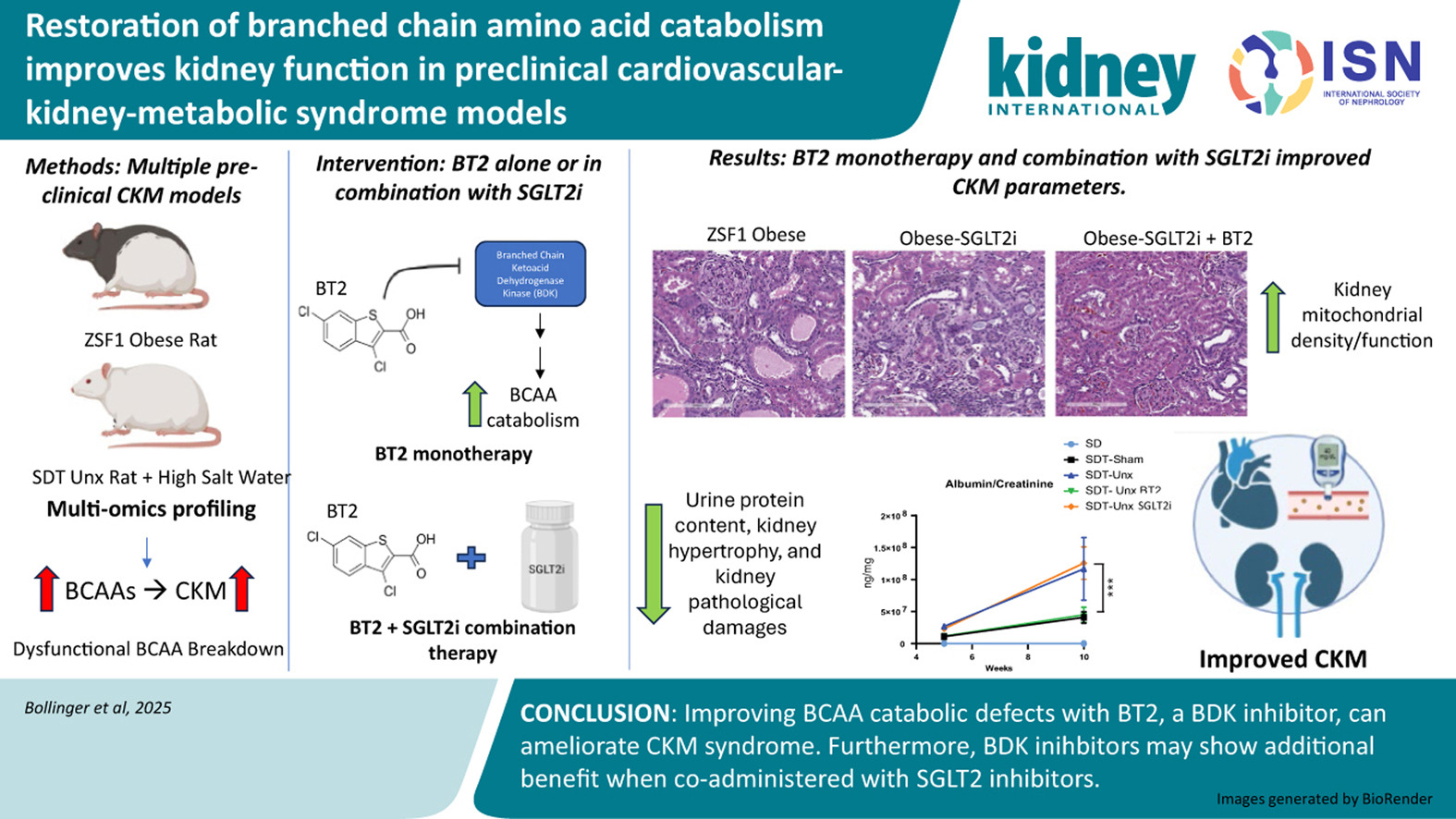
Recent research highlights the potential of targeting metabolic pathways as a therapeutic strategy for cardiovascular-kidney-metabolic (CKM) syndrome, a complex condition where dysfunction in one system (cardiovascular, kidney, or metabolic) worsens the others.
In a preclinical study, enhancing branched-chain amino acid (BCAA) catabolism through BT2, a branched-chain ketoacid dehydrogenase kinase inhibitor, improved key kidney outcomes, including reduced proteinuria and attenuation of renal hypertrophy and pathology. The benefits were even greater when combined with an SGLT2 inhibitor, showing synergistic improvements in kidney health and increased mitochondrial density and function.
These findings suggest that modulation of BCAA metabolism could become a promising adjunctive therapy for CKM syndrome, complementing current standard-of-care treatments.
Metabolic dysfunction–associated kidney disease: Pathogenesis and clinical manifestations
This review introduces metabolic dysfunction–associated kidney disease (MDAKD), a unifying term for kidney disease arising in the setting of metabolic derangements, often alongside metabolic syndrome.
MDAKD sits within a broader cardio-kidney-metabolic spectrum that includes metabolic dysfunction–associated steatotic liver disease. Clinically, it encompasses chronic kidney disease in people with obesity, insulin resistance, diabetes, dyslipidemia, and hypertension, capturing phenotypes such as diabetic kidney disease, obesity-related kidney disease, and other conditions in which metabolic stress accelerates kidney injury.
The article highlights shared pathogenic pathways: Lipotoxicity, low-grade inflammation, oxidative stress, endothelial dysfunction, and maladaptive hemodynamics/RAAS activation, and emphasizes common presentations (albuminuria, progressive estimated glomerular filtration rate loss) and the importance of early recognition.
Framing these disorders collectively as MDAKD may help standardize risk stratification and guide targeted prevention and treatment strategies across the metabolic disease continuum.
Metabolic syndrome-associated kidney disease in young adolescents and children
The prevalence of pediatric metabolic syndrome (MetS) ranges from 0.3% to 26.4% worldwide. Beyond its close association with obesity, MetS is independently linked to chronic kidney disease and kidney failure in adulthood.
This review highlights the complex interplay of obesity, insulin resistance, hypertension, and dyslipidemia in driving kidney dysfunction.
Early screening, predictive biomarkers, and a multidisciplinary approach — including lifestyle changes, pharmacotherapy, and, in some cases, bariatric surgery — are emphasized as key strategies to prevent renal disease in children.
S.E.N., SLANH, and SEEDO consensus report on obesity-related kidney disease: Proposal for a new classification
A joint consensus from the Sociedad Española de Nefrología (S.E.N.), the Sociedad Latinoamericana de Nefrología e Hipertensión (SLANH), and the Sociedad Española para el Estudio de la Obesidad (SEEDO) introduces a new five-category classification for obesity-related chronic kidney disease (Ob-CKD).
Spanning functional changes, structural lesions, coexistence with other kidney diseases, dialysis, and transplantation, the statement calls for systematic recognition of Ob-CKD, given its strong links with proteinuria, hypertension, rapid CKD progression, and cardiovascular risk.
Management requires a multidisciplinary approach combining lifestyle measures, pharmacotherapy (notably SGLT2 inhibitors and GLP-1 receptor agonists), and, when needed, bariatric surgery. Low-cost tools such as body mass index, waist circumference, albuminuria, and bicarbonate monitoring make early identification feasible, enabling timely interventions to improve outcomes.
|
KIDNEY INTERNATIONAL REPORTS ARTICLES |

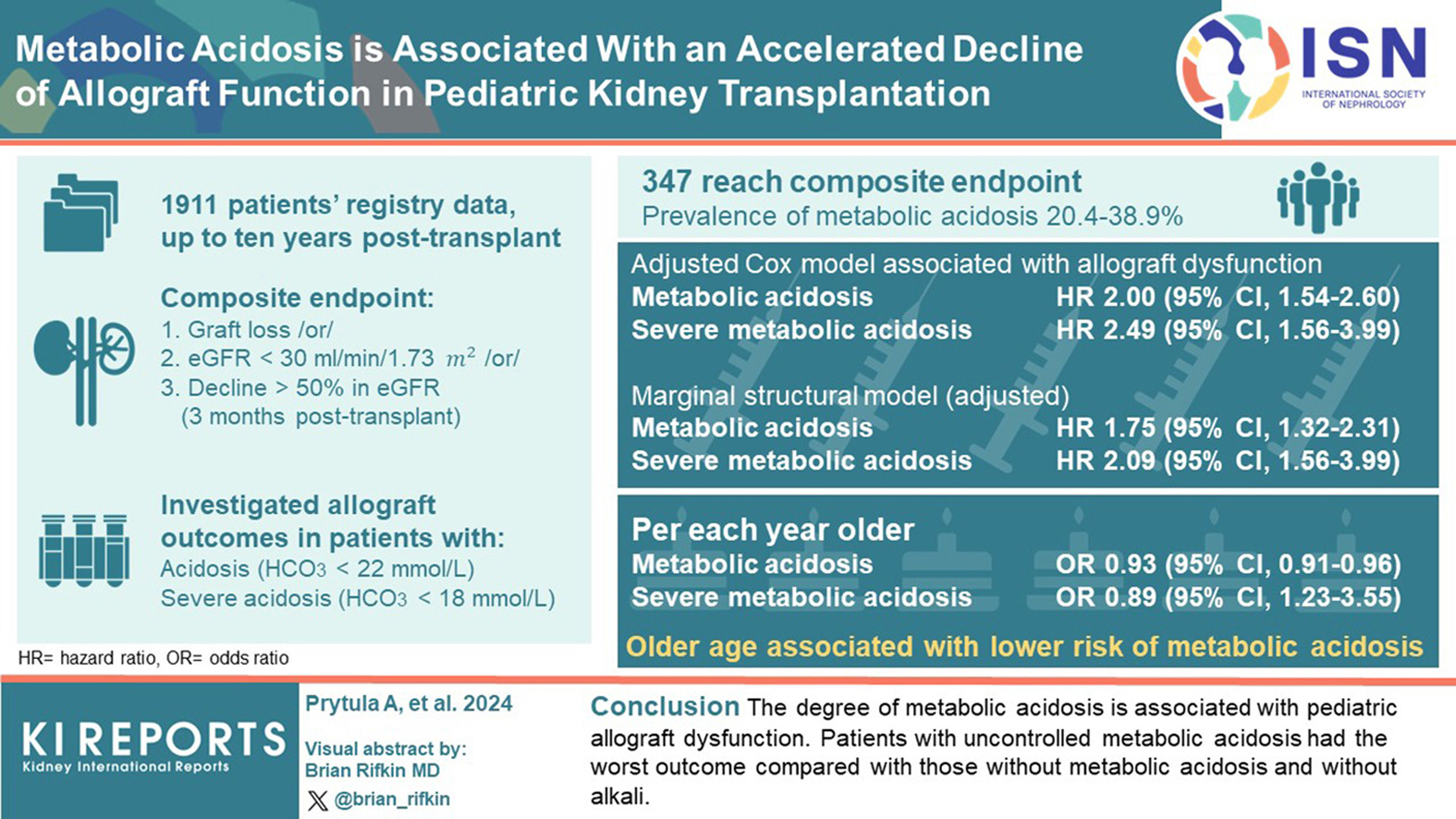
Using data from the Cooperative European Paediatric Renal Transplant Initiative Registry registry, researchers examined metabolic acidosis in nearly 2,000 pediatric kidney transplant recipients.
Over time, 20–39% of patients experienced metabolic acidosis, which was strongly associated with accelerated allograft dysfunction. Adjusted analyses showed that metabolic acidosis doubled the risk of graft decline, and severe metabolic acidosis nearly tripled it.
Patients with uncontrolled acidosis fared worst, underscoring the importance of monitoring and managing bicarbonate levels in pediatric transplant care.
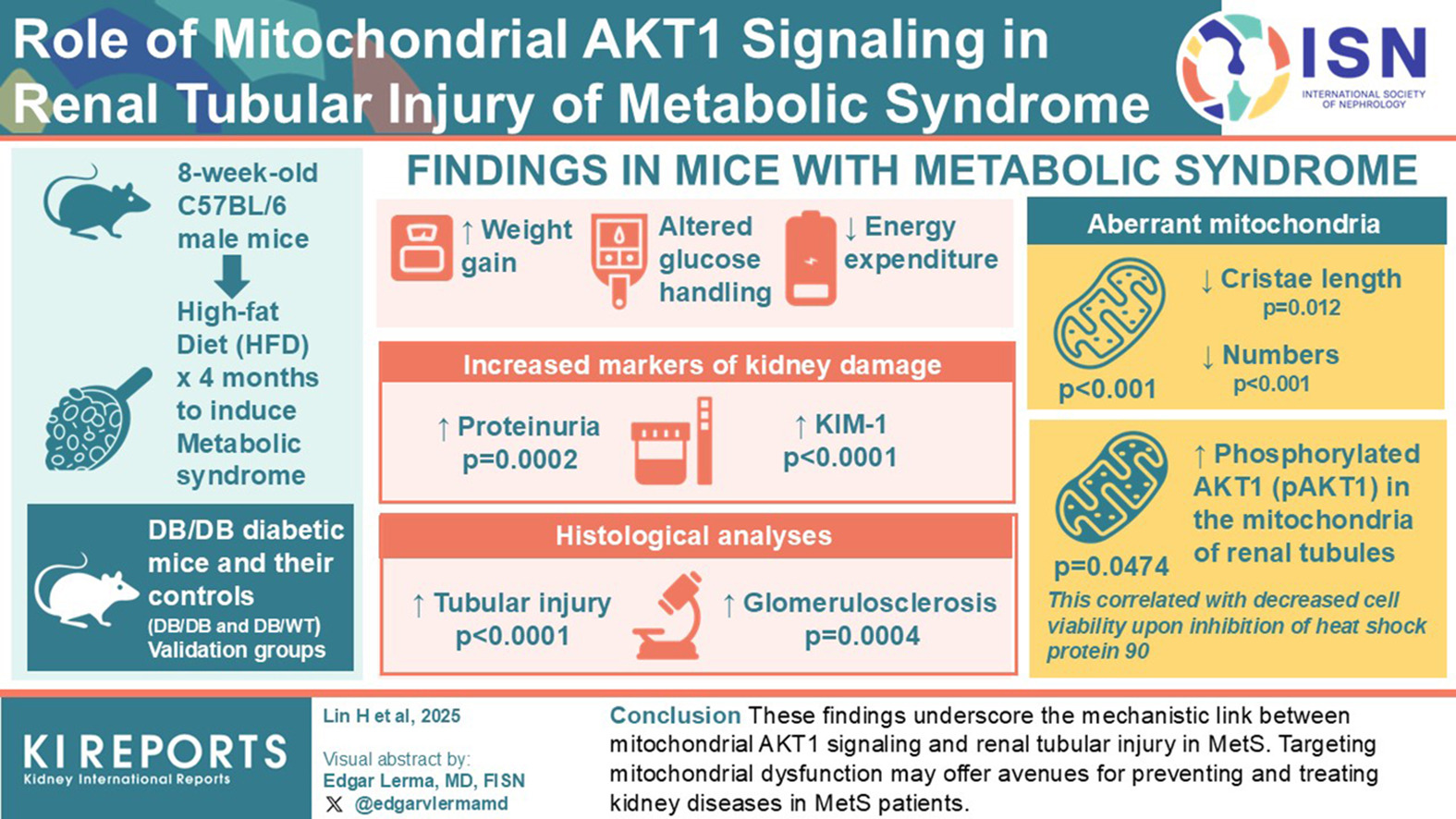
This study provides new mechanistic insights into kidney injury associated with metabolic syndrome, focusing on mitochondrial AKT1 signaling.
Metabolic stress from a high-fat diet was shown to trigger a pathological cascade leading to tubular injury and tubulointerstitial fibrosis, hallmarks of diabetic nephropathy, demonstrating that mitochondrial AKT1 plays a central role in mediating these effects, linking systemic metabolic dysfunction with localized renal damage.
Clinically, this research identifies mitochondrial AKT1 as both a mechanistic explanation for kidney injury progression and a potential therapeutic target. Modulating this pathway could open avenues for novel renoprotective strategies aimed at preserving renal function in patients with metabolic syndrome.
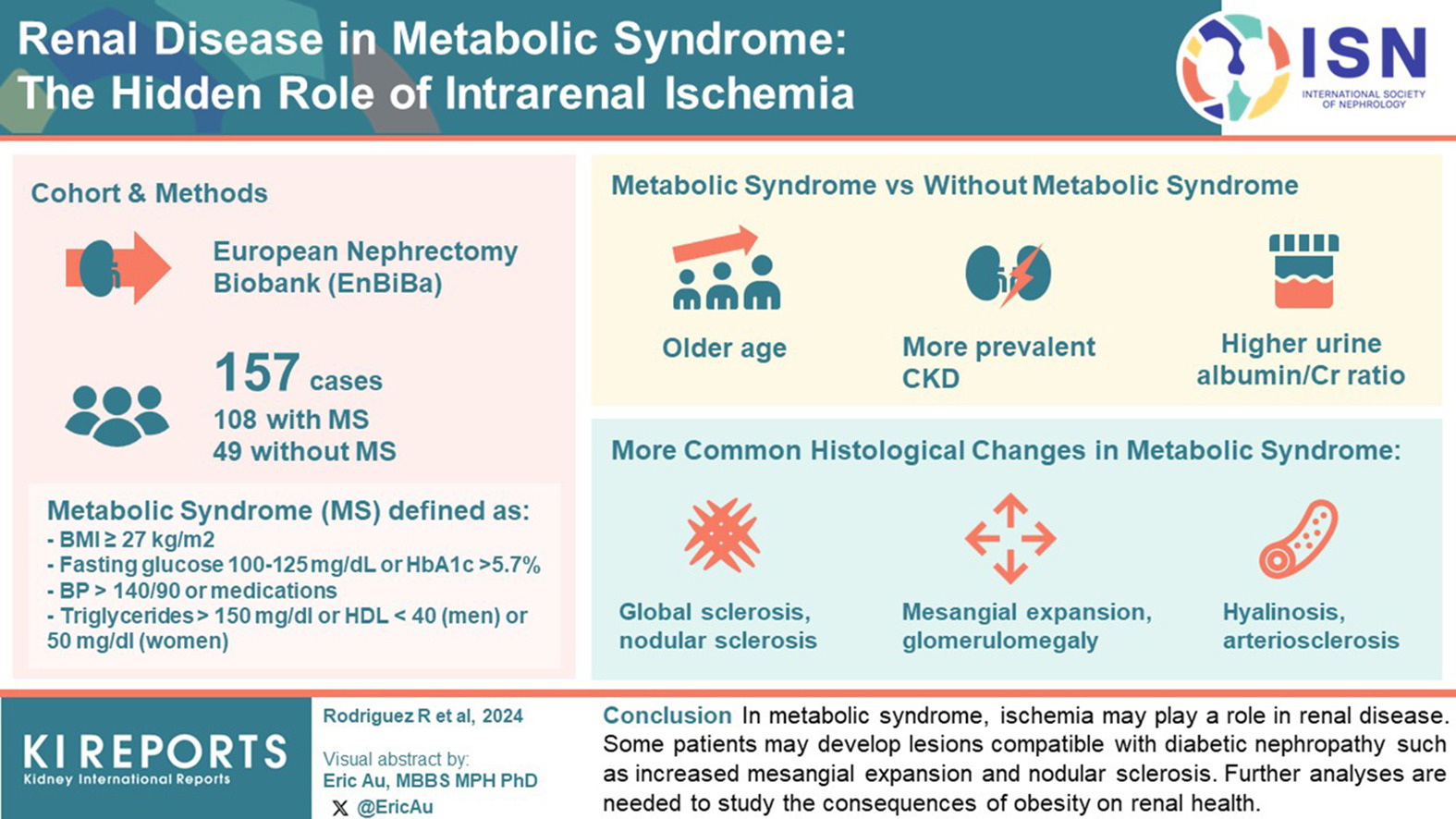
Using tissue from the European Nephrectomy Biobank, this study compared renal histology in adults with versus without metabolic syndrome (MS), excluding diabetes and other known kidney diseases. Participants with MS were older and showed lower estimated glomerular filtration rate and higher urine albumin-to-creatinine ratios.
On histology, global and nodular glomerulosclerosis, mesangial expansion, glomerulomegaly, moderate–severe hyalinosis, and arteriosclerosis were more frequent in MS than in non-MS. The pattern supports a role for intrarenal ischemia in MS-related kidney injury and demonstrates that MS can produce lesions reminiscent of diabetic nephropathy (e.g., mesangial expansion, nodular sclerosis) even in the absence of diabetes.
With obesity and metabolic syndrome on the rise globally, these findings underscore the need for deeper mechanistic studies and proactive metabolic and cardiovascular risk management to protect renal health.
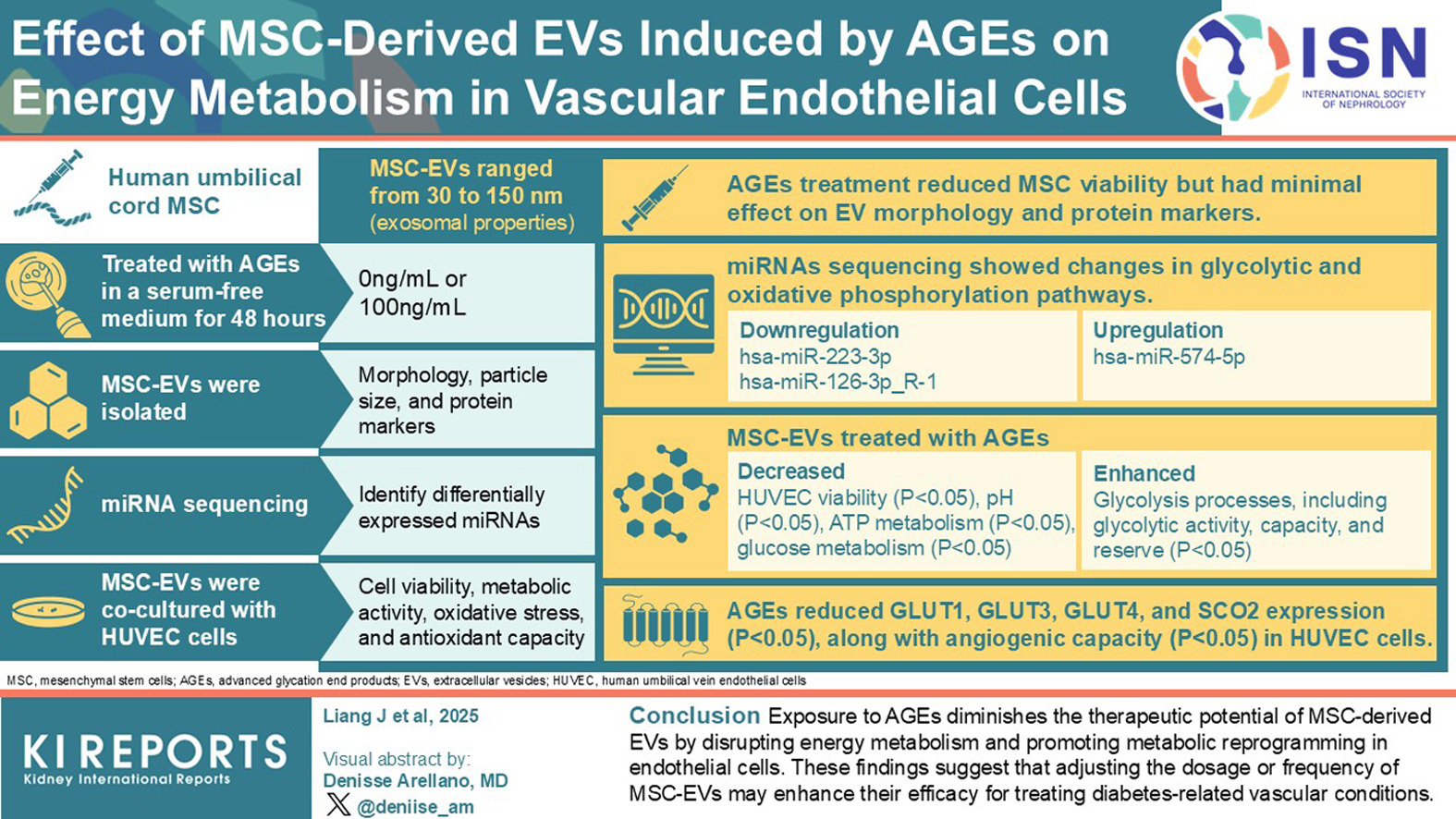
Liang and colleagues investigated the impact of advanced glycation end products (AGEs) on mesenchymal stem cells (MSCs) and their extracellular vesicles (EVs).
AGEs exposure reduced MSC viability but had minimal effects on EV particle size, distribution, morphology, and protein characteristics.
The study provides insights into how MSC-derived EVs may mediate energy metabolism in vascular endothelial cells exposed to AGEs, with potential implications for diabetic vascular complications.
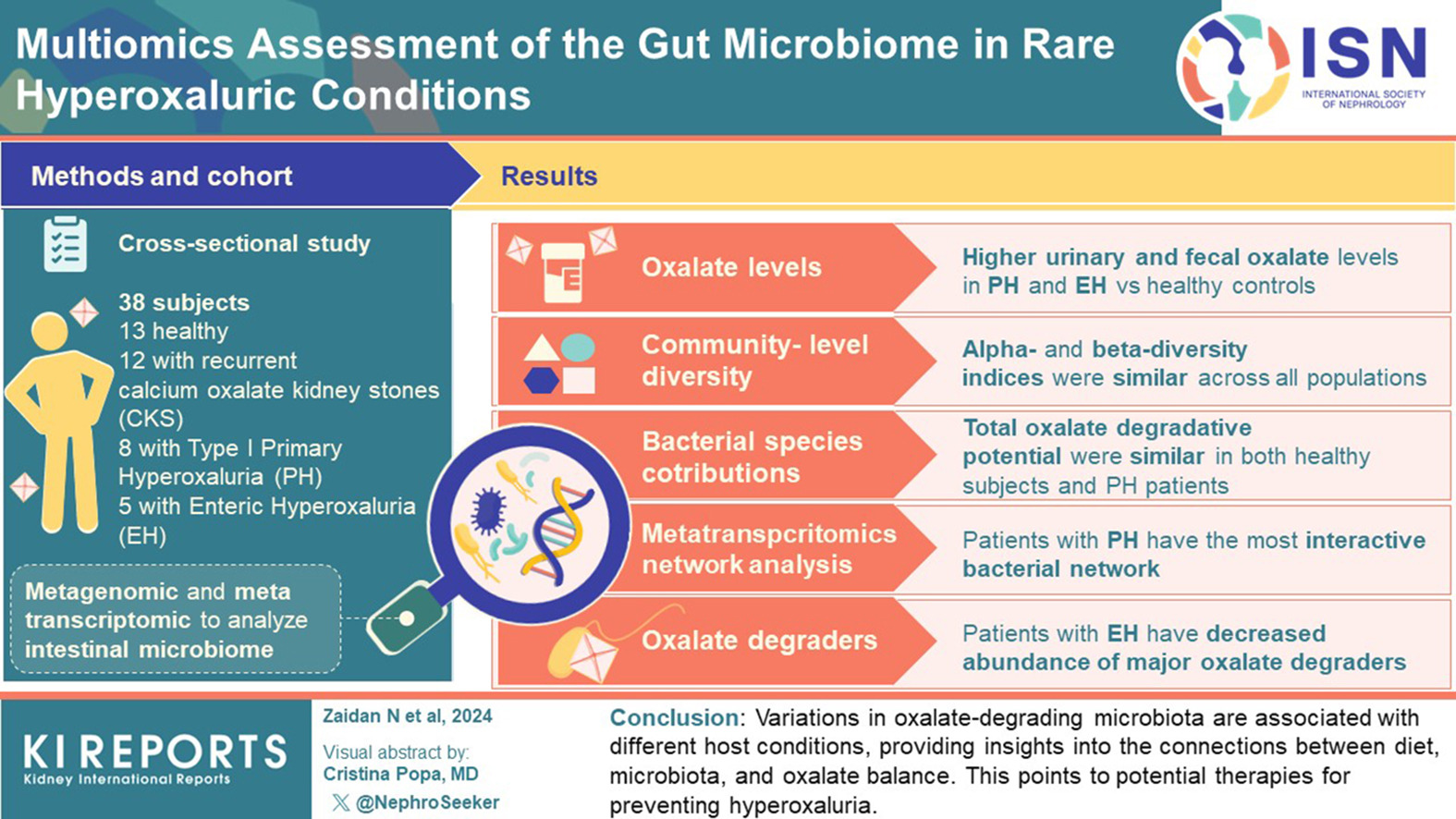
In the Trial of Administration of Metformin in Polycystic Kidney Disease (TAME-PKD), metformin use in adults with autosomal dominant polycystic kidney disease (ADPKD) was found to be safe, tolerable, and showed a non-significant trend toward slowing estimated glomerular filtration rate (eGFR) decline compared to placebo.
Hallows and colleagues further analyzed urinary metabolic biomarkers and found that urinary succinate negatively correlated with height-adjusted total kidney volume (htTKV), while protein excretion was strongly positively correlated with htTKV and negatively with eGFR.
Interestingly, urinary pyruvate levels were preserved in metformin-treated patients but declined in placebo over the two-year study, suggesting pyruvate may serve as a discriminator for metformin treatment effects.
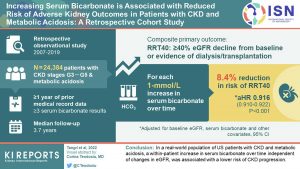
In a cohort of more than 24,000 US patients with chronic kidney disease (CKD) G3–G5 and metabolic acidosis, increases in serum bicarbonate were independently linked to lower risk of CKD progression. Each 1 mmol/L rise was associated with an 8% reduction in risk of glomerular filtration rate decline, dialysis, or transplantation.
The study highlights the value of tracking bicarbonate trends rather than single measures. As an inexpensive and widely available test, the authors propose that routine monitoring of bicarbonate trajectories offers a simple, cost-effective way to identify high-risk patients and support timely interventions to slow CKD progression.