
Reflecting on progress and looking ahead: 10 years of the ISN-Global Kidney Health Atlas
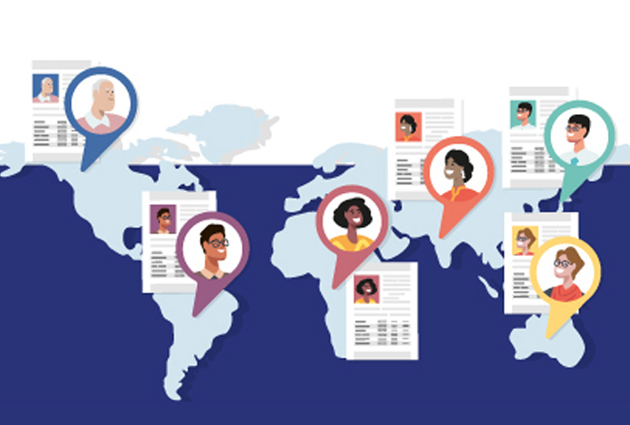
As you continue to use ISN-Global Kidney Health Atlas (ISN-GKHA) data in your work or look to better understand the global kidney health landscape, listen to an ISN Roundtable marking the ISN-GKHA’s 10th anniversary that offers valuable insights into one of the nephrology community’s most influential resources.
Access the ISN-GKHA 2027: 10-Year Round-Up Roundtable video
In the discussion, leaders behind the ISN-GKHA reflect on the atlas’ evolution and its worldwide impact. David Johnson highlights its growing role in policy change: “When we first did this, kidney health was only recognized as a priority in about a third of the countries, and now it’s just over 50%.” Aminu Bello adds that the ISN-GKHA has helped transform kidney disease from a clinical condition into “a measurable global health system priority.”
For Adeera Levin, one of its greatest strengths is showing “not just the burden, but the way that different countries approach the burden.” She points to the ratio of nephrologists to patients as one of the most striking inequities revealed by the atlas, while also noting that countries with fewer resources may be more likely to have national chronic kidney disease policies than wealthier countries with greater access to dialysis.
What began as an idea to support stronger kidney health advocacy has become a robust global data initiative shaped by dedicated ISN volunteers. The roundtable celebrates the collaborative effort behind a resource that continues to inform policy, reveal inequities, and support global action to improve kidney care capacity and access.
Further reading
Bridging global kidney care gaps through data: KI presents ISN-GKHA Interactive Map