
Patient voices shaping better kidney care: from addressing system barriers to patient advocacy


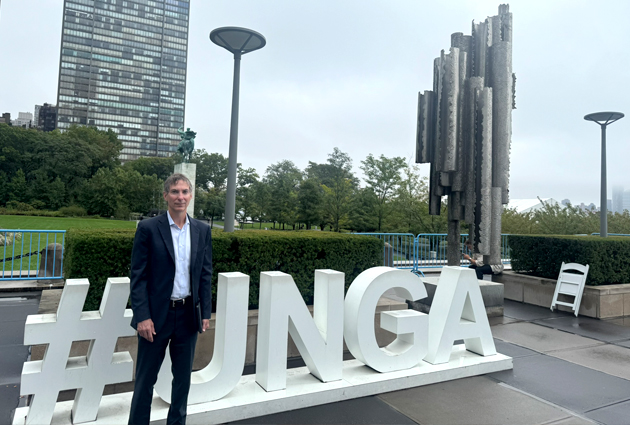
Manvir Victor (left) and Bill Wang
From navigating diagnosis and treatment to the practical and emotional challenges of everyday life, members of the ISN Patient Liaison Advisory Group shared what it means to live with kidney disease.
Challenging “systemic blindness” in kidney care
For Bill Wang in Hong Kong, one of the defining challenges was what he describes as “systemic blindness.” Wang has lived with autosomal dominant polycystic kidney disease, dialysis, and a combined liver-kidney transplant. “I had a dual battle,” he explains, “against kidney disease and a system that marginalized lived experience expertise.”
Bill found that care did not always account for what mattered most to him, including his ability to continue his legal career: “The greatest everyday barrier was a system not designed around what matters most to patients, such as quality of life and life participation.”
These experiences have led Bill to invest his time in advocating for “moving beyond tokenism” toward genuine co-production and stronger support for lived experience experts, describing this as “the strategic imperative for true patient partnership.”
Navigating information gaps and employment challenges
Manvir Victor in Malaysia describes facing kidney disease with little preparation for what treatment and life with the condition would involve. Diagnosed in 2001, he recalls navigating appointments and treatment without understanding what would happen next.
“Nobody told me anything; I just went to the designated places I was asked to be and waited to be ‘worked on’ by whoever was in charge, with no information.”
The effects continued beyond treatment. After receiving a transplant, Manvir hoped to return to work but found that his medical history continued to make employment difficult.
“After multiple job applications, the fact that I was on dialysis for 10 years […] was clearly a barrier to employment,” he explains, adding that doctors are unable to give transplant recipients “a clean bill of health” in a way that reassures prospective employers. “This struggle that many patients go through is often overlooked,” he states.
In response, Manvir helped establish Malaysian Transplant Heroes, creating opportunities for transplant recipients to showcase their talents and raise awareness of life after kidney disease.
Despite the challenges he has experienced, Manvir remains hopeful about the future. “The next generation of healthcare professionals is what I am personally optimistic about. They’re growing up in a different world and realize that many things are left to them to change, especially because the evolution of healthcare has been very dynamic and quick, but stunted by outdated processes.”
Supporting patient perspectives
Patient voices are central to the ISN’s work to improve kidney health worldwide.
As part of its involvement in the WHO World Patient Safety Day 2026 Steering Committee, the ISN highlighted PLAG member perspectives on patient safety in a dedicated social media campaign.
Beyond World Patient Safety Day, the ISN will continue to share PLAG members’ stories over the coming months, showing how lived experience can inform care, research, policy, and advocacy and help improve outcomes for people living with kidney disease.